Picking the wrong moving service can turn an exciting new chapter into a stressful, expensive ordeal. With so many options available across the UK, from a quick man-and-van booking to a fully managed removal, it’s genuinely hard to know where to start. Should you pack everything yourself and save money? Or hand it all over to professionals and protect your sanity? This guide walks you through every major moving service type, what each one actually covers, and how to match the right option to your specific situation, whether you’re moving a studio flat, a family home, or an entire office.
Table of Contents
- How to assess your moving needs
- Overview of the main types of moving services
- Comparing basic removal, man and van, and full-service options
- When to choose specialist moving services
- What moving company adverts rarely tell you
- Find the right moving service with Van-247
- Frequently asked questions
Key Takeaways
| Point | Details |
|---|---|
| Match needs to service | Your ideal moving service depends on your unique situation and priorities. |
| BAR membership matters | Choosing a BAR-accredited mover ensures high standards, protection, and peace of mind. |
| Specialist help is key for unique items | Pianos, antiques, and IT moves require professional expertise beyond standard services. |
| Compare more than price | Weigh convenience, reliability, and insurance as well as costs when choosing a mover. |
How to assess your moving needs
Before diving into the main types of moving services, it’s vital to reflect on your specific situation and what support you really need.
Getting this part right saves you money and avoids nasty surprises on moving day. Think of it as laying the groundwork before anything else. Here are the key factors to weigh up:
- Volume and type of items: Are you moving a few boxes and a sofa, or a four-bedroom house full of furniture, appliances, and fragile belongings? The volume and nature of your items will immediately narrow down your options. If you have a grand piano, antique furniture, or sensitive IT equipment, you’ll need more than a standard service.
- Distance: Local moves within a city are very different from national relocations or cross-border moves. A short hop across town might suit a man-and-van perfectly, while a long-distance move to another part of the UK often calls for a more structured removal company with proper logistics support.
- Budget versus convenience: Budget is always a factor, but it’s worth being honest about the trade-offs. A cheaper option often means more of your own time and effort. A higher quote from a full-service mover might actually save you two days of packing, heavy lifting, and the risk of damage.
- Timing: Are you moving at short notice, on a weekend, or in stages over several weeks? Some services are far more flexible than others. Last-minute moves, in particular, need providers who can respond quickly without compromising on care.
- Insurance and accreditation: This one is often overlooked until something goes wrong. BAR-accredited movers follow a strict Code of Practice covering inspections, insurance requirements, clear quotes, financial protection for prepayments, and dispute resolution. BAR (British Association of Removers) members collectively handle around 400,000 moves per year. That’s not just a number; it’s a signal of consistent, regulated service.
If you’re coordinating a workplace relocation, it’s worth reading up on office moving tips before you commit to any service, since business moves come with their own set of complications.
Pro Tip: Always check whether your mover holds BAR membership before booking. It’s the single fastest way to filter out unreliable operators and protect your belongings and your money.
Overview of the main types of moving services
Once you know your non-negotiables, it’s easier to see how each major moving service fits or falls short.
The UK moving industry isn’t one-size-fits-all. There are several distinct service levels, each designed for different budgets, timelines, and levels of complexity. Here’s a clear breakdown:
- Basic removals: This is the entry-level option. The company provides transport and labour, but you handle all the packing yourself. According to service breakdowns from removal experts, basic removal services cover transport and labour only, while full-service options extend to packing, dismantling, transport, unloading, unpacking, and full reassembly. Basic removals suit people who are organised, have time to pack in advance, and want to keep costs down.
- Man and van: This is the most flexible and often the most affordable option for smaller moves. You typically hire a driver with a van, sometimes with an additional helper, and they transport your pre-packed items. It’s ideal for studio flats, single-room moves, student relocations, or transporting a few large pieces of furniture.
- Full-service movers: These companies take care of everything from start to finish. They arrive with packing materials, box up your belongings, dismantle furniture, load the van, drive to your new location, unload, reassemble, and even unpack if you want. It’s the most convenient option and the most expensive, but for families or businesses with complex moves, it’s often worth every penny.
- Specialist services: Some moves simply require expert handling. Pianos, antiques, fine art, wine collections, and commercial IT equipment all fall into this category. These aren’t items you want bouncing around in a standard removal van without the right padding, securing, and handling techniques.
If you’re considering a full-service move, it’s worth exploring professional packing services to understand exactly what’s included. You can also compare packing and moving companies to find the right fit for your budget and timeline.
“BAR-accredited movers provide a level of protection and peace of mind that unregulated providers simply cannot match. From financial safeguards to dispute resolution, the difference is significant.”
Comparing basic removal, man and van, and full-service options
After outlining your choices, a side-by-side comparison makes it clear which moving service might fit your needs best.
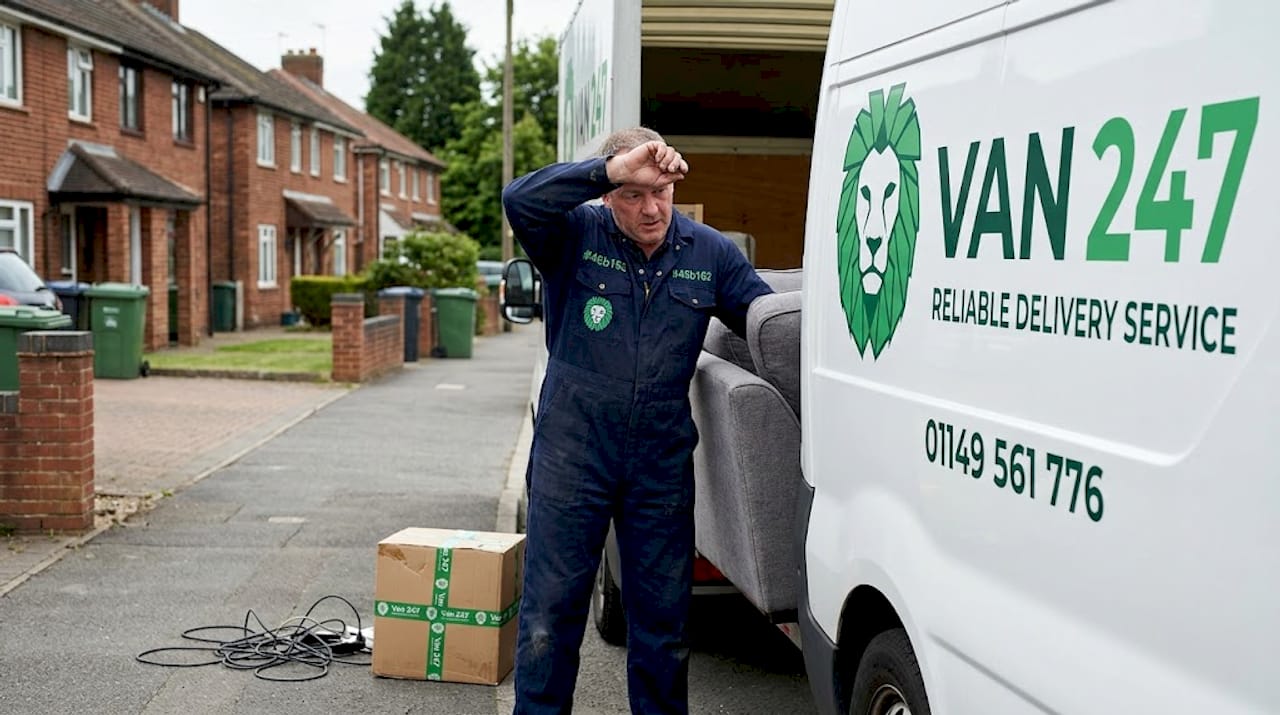
Here’s a practical comparison table to help you see the differences at a glance:
| Feature | Man and van | Basic removals | Full-service movers |
|---|---|---|---|
| Packing included | No | No | Yes |
| Dismantling furniture | No | Sometimes | Yes |
| Transport | Yes | Yes | Yes |
| Unpacking and reassembly | No | No | Yes |
| Best for | Small/quick moves | Medium household moves | Large or complex moves |
| Typical cost range | £80 to £300 | £300 to £800 | £800 to £2,500+ |
| Flexibility | High | Medium | Lower |
| Insurance | Varies | Varies | Usually included |
As removal service experts explain, the gap between basic and full-service is significant in terms of what’s physically handled on the day. Basic removals still require you to do a substantial amount of work in advance.
Here’s a quick summary of the strengths and drawbacks of each option:
Man and van:
- Strengths: Affordable, flexible scheduling, good for small volumes
- Drawbacks: Limited capacity, you do all the packing, less formal insurance cover
Basic removals:
- Strengths: More capacity than man-and-van, professional drivers, straightforward pricing
- Drawbacks: You still pack everything, reassembly is usually not included
Full-service movers:
- Strengths: Completely hands-off for you, everything is managed, usually includes insurance
- Drawbacks: Higher cost, requires advance booking, less flexibility for last-minute changes
If you’re leaning towards a full-service option, movers and packers can give you a clearer picture of what to expect. It’s also worth stocking up on the right packing supplies for removals if you’re planning to handle any packing yourself.
Pro Tip: Cost isn’t the only factor worth considering. The time and stress you save by choosing a full-service mover can far outweigh a slightly higher quote, especially if you’re juggling work, children, or a tight moving timeline.
When to choose specialist moving services
Sometimes you’ll encounter moves that aren’t covered by basic or generalist options. Here’s how to spot when you need a specialist.
Most people assume a standard removal company can handle anything. That’s not always true. There are specific situations where a specialist mover isn’t just preferable; it’s essential.
Scenarios where you need a specialist:
- Pianos: Upright and grand pianos require specialist equipment, careful dismantling in some cases, and movers who understand weight distribution and access challenges. A standard removal team simply isn’t trained for this.
- Antiques and fine art: These items need climate-aware packaging, custom crating in some cases, and handlers who understand how to protect irreplaceable pieces. One wrong move can cause damage that no insurance payout can truly fix.
- IT equipment and servers: Businesses relocating servers, data centres, or sensitive electronic equipment need movers who understand static risks, proper disconnection procedures, and secure transport. Server relocation services are a distinct specialism for exactly this reason.
- Commercial and office moves: Moving an entire office involves coordinating furniture, equipment, confidential files, and often strict timelines to minimise downtime. Commercial moving services are designed to handle this complexity properly.
- Unusually large or heavy items: Industrial machinery, large sculptures, custom-built furniture, and oversized appliances all require specialist lifting equipment and experience.
BAR members collectively handle 400,000 moves per year, and a significant proportion of those involve complex or specialist requirements. That volume of experience matters when you’re trusting someone with items that can’t be replaced.
A quick checklist to decide if you need a specialist mover:
- Does the item require specialist tools or equipment to move safely?
- Is the item irreplaceable or of significant financial or sentimental value?
- Does the move involve technical disconnection or reconnection (servers, medical equipment)?
- Is the item too large or heavy for a standard removal van?
- Does the destination have access restrictions (narrow stairs, listed building, high-rise)?
If you answered yes to any of the above, a generalist service is likely to fall short. Don’t take the risk.
What moving company adverts rarely tell you
Here’s something we’ve learned over more than 15 years in the UK moving industry: the gap between a company’s marketing and its actual service quality can be enormous.
Flashy adverts, polished websites, and low introductory prices are easy to produce. What’s much harder to fake is a consistent track record of reliable, professional service. That’s why we always point people towards verifiable standards rather than marketing claims.
BAR accreditation is the most practical shortcut available to you. It’s not just a badge; it’s a commitment to a specific Code of Practice that covers how quotes are provided, how disputes are resolved, and how your money is protected if something goes wrong before moving day. When you choose a reliable furniture mover with proper accreditation, you’re not just buying transport. You’re buying accountability.
The uncomfortable truth is that many moving companies operating in the UK are not accredited, not properly insured, and not equipped to handle anything beyond the most straightforward jobs. When things go wrong, and occasionally they do, you want a company that has a formal process for making it right.
Verified customer reviews are another layer of evidence worth taking seriously. Look for patterns, not individual comments. A company with 200 reviews averaging 4.8 stars tells a very different story to one with 12 reviews and a few suspiciously enthusiastic five-star ratings.
Our honest advice: ignore the adverts. Look at the accreditation, read the reviews, ask about insurance, and get everything in writing. Moving day is stressful enough without discovering that your mover’s promises were just marketing copy.
Find the right moving service with Van-247
If you’ve worked through this guide and you’re ready to take the next step, Van-247 makes it straightforward to find the right service for your move.
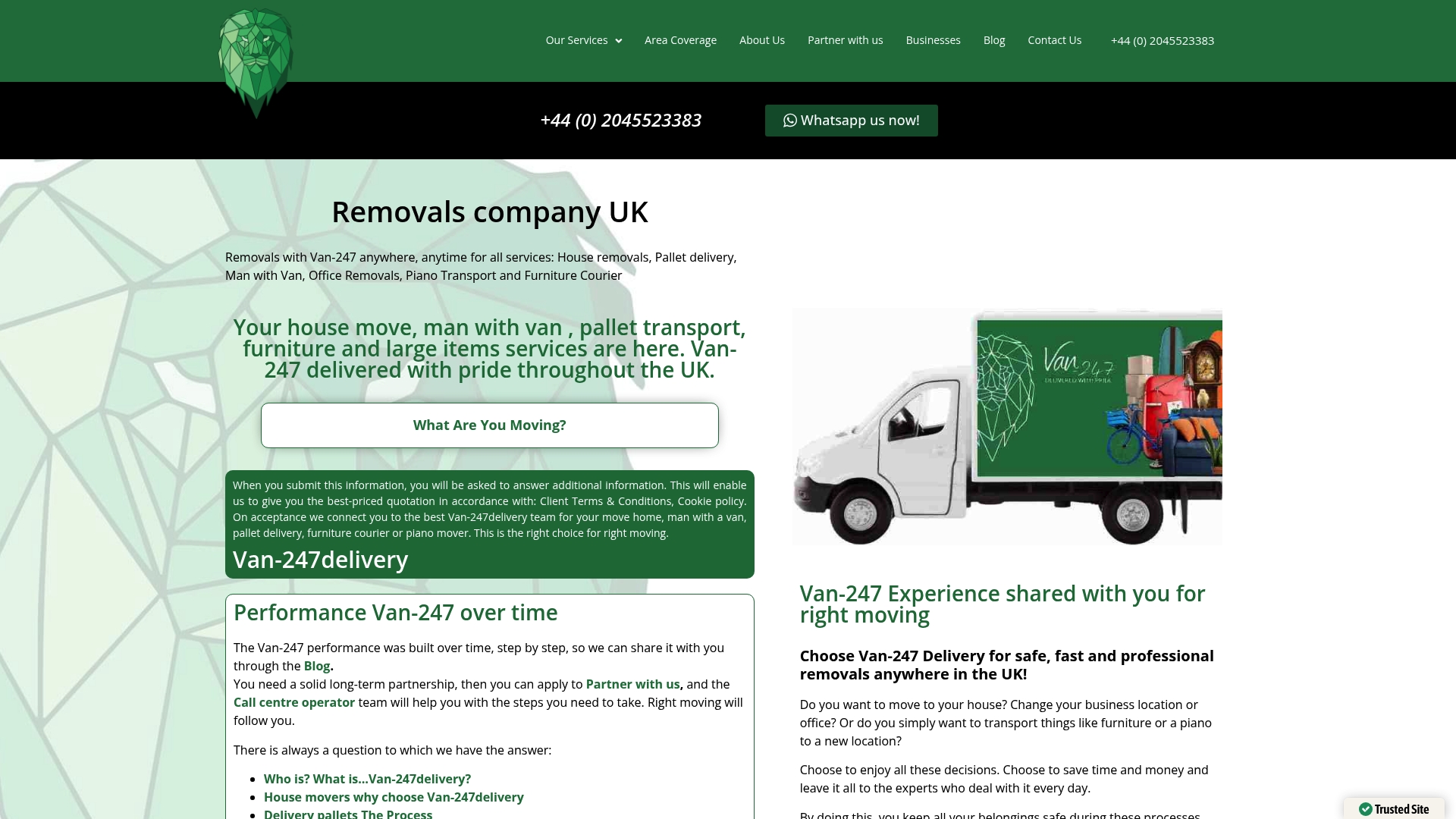
Van-247 has been helping people and businesses across the UK move safely and efficiently for over 15 years. Whether you need furniture removals near you for a household move, flexible man and van services for a smaller or last-minute job, or full help moving house from start to finish, there’s a service that fits. You can get an instant quote, track your move, and book with confidence knowing your belongings are in experienced, insured hands. Moving doesn’t have to be overwhelming. The right service makes all the difference.
Frequently asked questions
What does full-service moving typically include in the UK?
Full-service moving usually covers packing, dismantling furniture, transport, unloading, unpacking, and reassembly at your new property. It’s the most hands-off option available.
Is it worth paying extra for a BAR-accredited mover?
Yes, absolutely. BAR-accredited movers comply with a strict Code of Practice that includes insurance requirements, financial protection for prepayments, clear quotes, and formal dispute resolution. That protection is worth the premium.
When should I use a specialist mover instead of a general service?
Use a specialist mover when you have valuable, fragile, large, or technically complex items such as pianos, antiques, servers, or industrial equipment. Standard removal teams are not trained or equipped for these items.
What is the main difference between man-and-van and full-service moving?
Man-and-van is cost-effective and flexible for smaller moves, but you handle all the packing yourself. Full-service moving covers everything from packing to unpacking, making it far more convenient for larger or more complex relocations.
Does every moving company offer insurance?
Not automatically. Only BAR-accredited companies are guaranteed to meet insurance standards as part of their Code of Practice. Always ask about insurance cover before you confirm any booking.