Student move checklist: what you need on day one: your ID, tenancy contract and enrolment documents, bedding, toiletries, chargers and a small kitchen kit. That’s the essentials box. Before you unpack anything else, do three things: check that your deposit is protected in a government scheme, confirm your exact key collection time, and photograph every room before you touch a single box.
Those three steps sound like admin. They’re actually the difference between a calm move and a stressful one, because deposit protection and inventory photos are your main defence if a dispute crops up months later.
If your deposit isn’t registered with the Tenancy Deposit Scheme (TDS) or the Deposit Protection Service (DPS) within 30 days, something’s wrong, and you’re entitled to ask why.
Your day-one non-negotiables:
- Photo ID, CAS/enrolment letter, tenancy agreement (paper and digital copy)
- Bedding: fitted sheet, duvet, pillow
- Toiletries and any regular medication
- Phone charger, laptop charger, one extension lead
- Mug, spoon, bowl, and something you can actually eat that evening
Your three immediate actions:
- Verify your deposit is registered with TDS or DPS and ask for the certificate.
- Confirm your building’s key collection window and who’s holding the keys if you’re early or late.
- Take timestamped photos of walls, carpets and furniture before you settle in.
If you’re in halls, check the fire safety rules on your corridor noticeboard before you plug anything in. It takes two minutes and it’s the sort of thing nobody reads until something goes wrong.
Key Takeaways
A well-run student move comes down to three things: protecting your deposit on arrival, packing a genuine day-one essentials box, and deciding early whether you need professional help with heavy items.
| Point | Details |
|---|---|
| Confirm deposit protection | Ask for your TDS or DPS certificate before you hand over any deposit money. |
| Pack a real day-one box | Bedding, toiletries, chargers, ID and basic kitchenware, kept separate from everything else. |
| Check tenancy type first | A joint tenancy makes you liable for housemates’ unpaid rent, so read it carefully. |
| Photograph everything on arrival | Timestamped photos of walls, carpets and furniture protect your deposit at move-out. |
| Book help early for heavy loads | Van-247delivery offers insured transport and timed arrival windows for stairs, distance or heavy items. |
Table of Contents
- Compact printable day-one packing checklist
- Documents and tenancy admin to sort before you travel
- Bedroom and bedding essentials to pack
- Kitchen essentials for a shared house or halls
- Bathroom, laundry and a basic cleaning kit
- Electronics, study kit and stationery to bring
- What not to bring: banned items and overpacking traps
- Packing strategy and a practical moving-day plan
- Budgeting for deposits, shopping and transport
- When to hire a man-with-a-van for your move
- A short note from someone who’s seen a lot of move-in days
- How Van-247delivery makes student moving day easier
- Sources
- FAQ
Compact printable day-one packing checklist part of student move checklist
This is the box that travels in the front seat, not the back of the van. Split it into five quick categories and you won’t be digging through six bags at 11pm looking for a toothbrush.
Sleep
- Duvet, pillow, fitted sheet
- Pyjamas and a jumper for a cold first night
Wash
- Toothbrush, toothpaste, shower gel, towel
- Toilet roll (halls don’t provide this)
Eat
- Mug, plate, cutlery, one pan
- Snacks, teabags, milk (long-life if you’re travelling far)
Study
- Laptop and charger
- Notepad and pen for the inevitable induction paperwork
Safety
- Tenancy documents and ID
- Phone charger and a portable battery pack if you have one
Pro Tip: Pack this box last and load it first, so it’s the last thing off the van and stays with you, not buried under a wardrobe.
Everything else can follow in whatever order suits the moving-day packing strategy you’ve settled on. This box just needs to survive the first 24 hours.
Documents and tenancy admin to sort before you travel part of student move checklist
Paperwork is boring until you’re the one without it at 9pm on move-in day. Bring physical copies of the essentials and photograph them as backup on your phone.
Bring these documents:
- Photo ID (passport or driving licence)
- Enrolment letter or CAS number
- Signed tenancy agreement
- Student finance confirmation and bank card
- National Insurance number
- Repeat prescriptions or a prescription summary
Before you sign anything or pay a penny, do this:
- Read the tenancy agreement properly, including the small print on repairs and notice periods.
- Check whether it’s a joint or individual tenancy. Citizens Advice points out that a joint tenancy makes you liable for a housemate’s unpaid rent, which matters if you’re sharing with people you’ve only met online.
- Ask for your deposit protection certificate and, where relevant, the gas safety record.
International students should check Gov before travelling, and everyone should register with a GP within the first fortnight.
Bedroom and bedding essentials to pack part of student move checklist
Don’t buy a duvet set before you know your bed size. Standard halls beds are usually single, but some university accommodation and private lets use small doubles, so it’s worth checking the accommodation portal or emailing to confirm before you spend money on the wrong size sheets.
Pack:
- Fitted sheet, flat sheet or duvet cover, pillowcases
- Duvet and two pillows
- A waterproof mattress protector (this genuinely protects your deposit)
- Hangers, a laundry basket, a couple of clip lights if the room has poor lighting
Do: bring photos, a couple of cushions, fairy lights that are PAT tested or battery operated.
Don’t: bring candles, incense, or anything with an open flame. Most halls ban them outright, and it’s a fast route to a fire alarm evacuation at 2am.
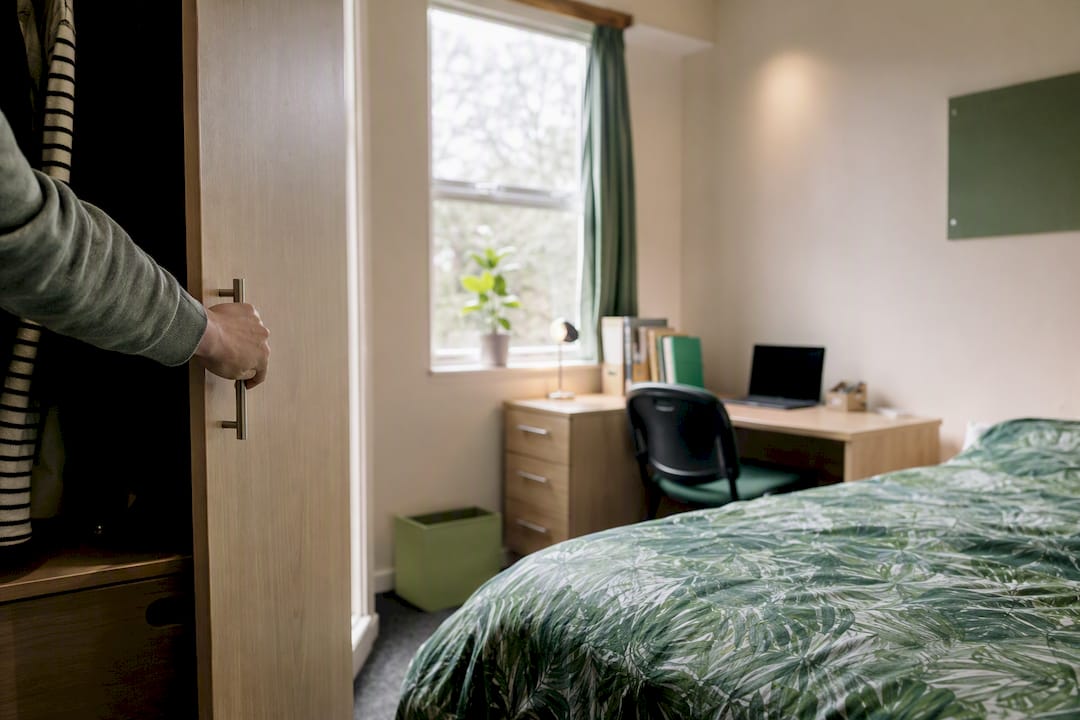
Pro Tip: Check what furniture is already provided before you pack anything bulky. Most halls include a wardrobe, desk and bed frame, so a spare set of drawers is usually dead weight in the van.
Kitchen essentials for a shared house or halls part of student move checklist
Halls with catering rarely need more than a mug and a kettle. Self-catered halls and shared houses need more, but not as much as the exhaustive checklists suggest, because duplicated appliances are the single biggest waste of a first-year kitchen budget.
Bring for yourself:
- Mug, plate, bowl, cutlery set
- One small pan and a sharp knife
- A kettle (unless one’s already in the kitchen)
- Tea towels and a chopping board
Coordinate with flatmates before you arrive:
- Toaster, microwave, larger pans, a shared bin
- Cleaning supplies for communal areas
- A shared fridge shelving agreement, sooner rather than later
Message your flatmate group before moving day and ask who’s bringing what. It saves three toasters landing in the same kitchen and nobody owning a decent frying pan.
Pro Tip: Wait until you’ve seen the kitchen storage before buying anything bulky. Small student kitchens fill up fast, and a folding drying rack often beats a full clothes airer for space.
Bathroom, laundry and a basic cleaning kit, part of student move checklist
Toiletries and health:
- Shower gel, shampoo, toothbrush, toothpaste, deodorant
- Any regular medication, plus a small first-aid kit (plasters, paracetamol, antiseptic cream)
- Sanitary products, enough for the first fortnight at least
Laundry:
- Small bottle of detergent or capsules
- A drying rack if your accommodation lacks one, or a compact travel airer
- A laundry bag for the trip to the launderette or shared machine
Cleaning:
- Multi-surface spray, a sponge, bin bags
A quick clean of your room in week one, before dust and grime settle in, makes a real difference when you move out and want your deposit back in full. It also sets the tone if you’re sharing a bathroom with strangers for the first time: clean up after yourself early, and it becomes the house norm rather than a fight in March.
Electronics, study kit and stationery to bring part of student move checklist
Devices:
- Laptop and charger
- Phone charger and headphones
- A UK-compliant extension lead (check it’s not on the banned list for your halls)
Study kit:
- Notepad, pens, a simple planner or wall calendar
- A basic calculator if your course needs one
- Course-specified textbooks, though many can wait until reading lists are confirmed
Skip the printer unless your course specifically needs one. Most universities have cheap print credit on campus, and a printer takes up desk space you’ll want back within a month.
Pro Tip: Label your extension lead and chargers with your name using masking tape. In a shared kitchen or common room, unlabelled chargers vanish within a week.
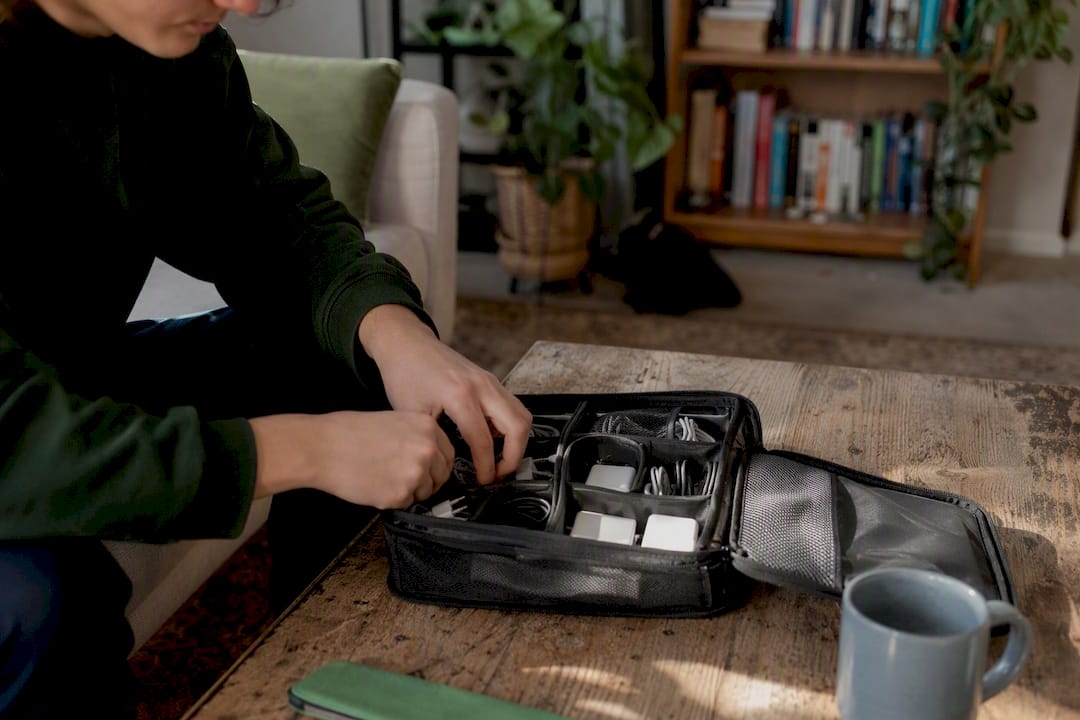
Check your accommodation’s electrical policy before packing anything with a heating element. Halls generally ban non-PAT-tested appliances, and getting caught with one can mean confiscation on move-in day.
What not to bring: banned items and overpacking traps part of student move checklist
Most disputes over “my stuff got confiscated” trace back to the same handful of items. Save yourself the awkward conversation with the warden by leaving these at home.
Commonly banned in halls:
- Candles, incense, oil burners
- Portable heaters and halogen lamps
- Deep fat fryers and multi-plug adaptors without surge protection
- Fairy lights that aren’t battery-powered or PAT tested
Overpacking traps:
- Full sets of pans and crockery for one person
- Duplicate small appliances that flatmates already own
- A full wardrobe of clothes for every season, when a suitcase for now and a parcel later works better
The exhaustive category checklists floating around online are useful as a prompt, not a shopping list. Save the Student’s guidance is right that the smart move is trimming these down to what you’ll actually use in the first few weeks.
Insurance matters here too: bringing an expensive gadget your contents policy doesn’t cover is a risk not worth taking on day one.
Packing strategy and a practical moving-day plan part of student move checklist
Work backwards from moving day rather than packing everything the night before. A staggered timeline avoids the 11pm panic-pack that leaves half your kitchen kit behind.
Suggested timeline:
- Three weeks out: sort documents, confirm bed size, message flatmates about shared kitchen items.
- Two weeks out: start packing out-of-season items and anything you won’t need before term starts.
- One week out: pack everything except your essentials box and day-of clothing.
- The day before: load the essentials box last, confirm your arrival window, and check parking or drop-off rules at your accommodation.
| Timeline checkpoint | Action |
|---|---|
| 3 weeks out | Confirm bed size and coordinate shared kitchen buys |
| 2 weeks out | Pack seasonal and non-essential items |
| 1 week out | Pack everything except day-one box |
| Day before | Confirm arrival window and parking access |
On the day itself, aim to arrive at the start of your allocated window rather than the middle. Earlier arrivals mean shorter queues for lifts, easier parking, and first pick of any communal fridge space.
Pro Tip: Take timestamped photos of your room the moment you walk in, before you put a single box down, and email them to your letting agent that day. It’s the strongest evidence you’ll have if a deposit dispute comes up later.
Budgeting for deposits, shopping and transport part of student move checklist
The upfront costs of moving to university catch a lot of families out, mostly because they land all at once.
Typical first-week costs to plan for:
| Cost | Typical range |
|---|---|
| Tenancy deposit | 4 weeks’ rent |
| First month’s rent | One month upfront |
| Initial food and kitchen shop | Depends on what’s shared |
| Transport (van hire or removals) | Varies by distance and volume |
Coordinate shared kitchen and communal purchases in your flat group chat before anyone buys anything, and use a simple shared spreadsheet or a splitting app to track who’s paid for what. It avoids the “you owe me for the bin bags” argument in week three.
Worth budgeting for at move-in:
- Contents insurance, since halls and shared houses are common targets for opportunistic theft
- A small buffer for anything forgotten (there’s always something)
When to hire a man-with-a-van for your move part of student move checklist
DIY moves work fine for a single car load and a ground-floor room. Beyond that, the maths often favours hiring help.
Consider hiring if:
- You’re moving more than an hour or two from home
- You’ve got heavy items: a wardrobe, a desk, boxes of books
- Your accommodation has stairs and no lift
- Your family car genuinely can’t fit everything in one trip
Questions worth asking any provider before you book:
- Is the load insured in transit?
- What’s the cancellation policy if move-in dates shift?
- Do they help with loading and unloading, or just driving?
- How wide is the arrival window, and what happens if you’re delayed?
Pricing usually comes down to job size, distance, parking access at both ends, and whether you need extra labour or packing help. For a lot of families, hiring short-term help for a few hours works out cheaper than the fuel, time and stress of a DIY trip in a packed family car.
Pro Tip: Book earlier than you think you need to. Move-in weekends in September are the busiest dates in the removals calendar, and last-minute availability is rare.
A short note from someone who’s seen a lot of move-in days
Move-in day is chaos for about ninety minutes, then it settles. Arrive at the start of your slot, not the middle. If you’re a parent, the most useful thing you can do is carry boxes and ask before you start unpacking someone else’s wardrobe.
— Claudiu
How Van-247delivery makes student moving day easier
Van-247delivery is the practical alternative to squeezing a term’s worth of belongings into the family car for the second time in a year. We offer insured transport, help with loading and unloading heavy or awkward items like desks and wardrobes, and timed arrival windows that fit around your accommodation’s check-in slot, not the other way round.
If you’re weighing up whether this is the year you finally skip the multi-trip car shuttle, our student moving services page covers exactly what’s included, and our man-with-a-van service is built for shorter, single-day moves like a term-time flat change. Get an instant online quote and pick an arrival window that matches your accommodation’s check-in time.
Sources
Screenshot these before you travel, in case signal at your new address is patchy on day one.
FAQ
What should be in my student move day-one box?
Documents, bedding, toiletries, chargers and basic kitchenware, packed separately so it’s the last thing loaded and the first thing unloaded.
How do I check my deposit is protected?
Ask your landlord or letting agent for your certificate from the Tenancy Deposit Scheme (TDS) or Deposit Protection Service (DPS) within 30 days of paying.
What items are usually banned in student halls?
Candles, portable heaters, non-PAT-tested appliances and multi-plug adaptors without surge protection are commonly banned for fire safety reasons.
Should I hire a man-with-a-van for my university move?
If you’re moving a long distance, have heavy items, or your accommodation has stairs with no lift, hiring help through a service like Van-247delivery’s man-with-a-van is often cheaper and less stressful than a DIY trip.
Do I need to bring kitchen appliances to halls?
Not usually. Halls rarely include appliances like toasters or microwaves, so coordinate with flatmates beforehand to avoid buying duplicates.