Freight delivery is defined as the commercial transport of goods in bulk or large quantities using road, sea, air, rail, or multimodal services. Whether you are a small business shipping pallets across the UK or an individual importing goods from overseas, understanding the types of freight delivery available helps you choose the right method for your cargo, budget, and timeline.
The industry term “freight transportation” covers everything from a single pallet on a shared lorry to a full container crossing the Atlantic. Getting this choice right saves you money, reduces delays, and protects your goods in transit.
1. What are the main types of freight delivery?
The four primary freight modes are ocean, air, rail, and road, each with distinct transit times and cost structures. These form the backbone of global and domestic logistics. Most shipments in the UK will use at least one of them, and many will combine two or more.
Here is a quick overview of each mode:
- Road freight: The most common freight shipping method in the UK and Europe. Goods travel by lorry or van, either as a Full Truckload (FTL) for large volumes or Less-than-Truckload (LTL) for smaller consignments. LTL suits 1 to 6 pallets; FTL fills the entire vehicle.
- Sea freight: Used for international shipments. Comes in Full Container Load (FCL), where you book an entire container, or Less-than-Container Load (LCL), where your goods share space with others. FCL gives exclusive container use; LCL involves consolidation and slightly longer transit.
- Air freight: The fastest option globally, with transit times of 5 to 7 days and costs of $4.50 to $8.00 per kilogram. Best suited to high-value, perishable, or urgent goods such as pharmaceuticals and electronics.
- Rail freight: A cost-effective middle ground for inland bulk transport, particularly useful for routes between the UK and continental Europe via the Channel Tunnel. Transit typically runs 15 to 18 days for long international routes.
- Multimodal freight: Combines two or more modes in a single shipment, such as truck to rail to ocean. Goods are not unpacked between modes, which keeps handling costs low.
Pro Tip: If you are shipping within the UK, road freight is almost always your starting point. For international moves, think about sea or air first, then add road for the first and last mile.
2. How freight delivery types compare on speed, cost, and use cases
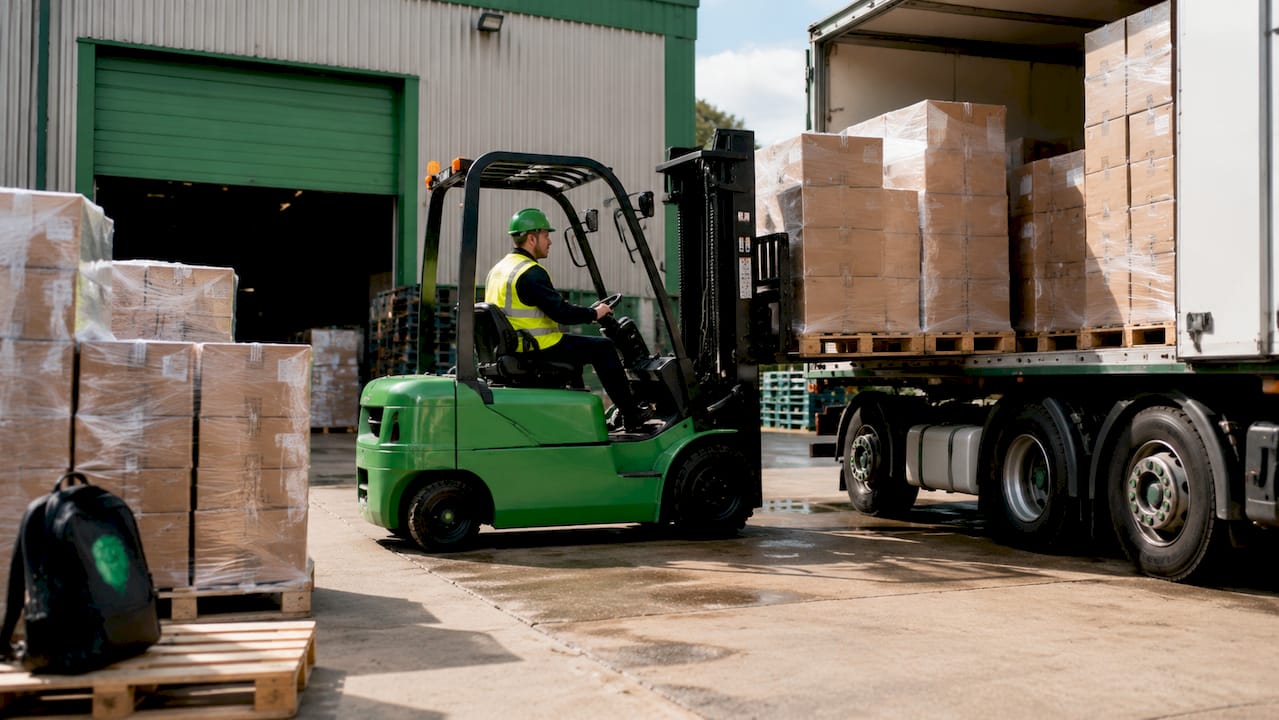
Choosing between freight transportation types comes down to three factors: how fast you need delivery, how much you are willing to spend, and what you are actually shipping. The table below gives you a clear comparison.
| Mode | Typical transit time | Relative cost | Best for |
|---|---|---|---|
| Road (FTL/LTL) | 1 to 5 days (UK/Europe) | Low to medium | Domestic, pallet, general cargo |
| Sea (FCL/LCL) | 20 to 40 days | Lowest | Bulk, non-urgent international |
| Air | 5 to 7 days | Highest | Urgent, high-value, perishable |
| Rail | 15 to 18 days | Medium | Bulk inland, UK to Europe |
| Multimodal | Varies | Medium | Complex routes, cost optimisation |
Ocean freight is the cheapest option per unit for large volumes, but those 20 to 40 day transit times make it unsuitable for anything time-sensitive. Air freight costs significantly more per kilogram but gets goods to their destination in under a week. Rail sits in a useful middle ground for businesses moving bulk goods between the UK and Europe without the urgency that justifies air rates.
Road freight is the most flexible of all the freight logistics categories. It connects ports, rail terminals, and warehouses to the final delivery address. Even when you use sea or air, a lorry or van handles the first and last mile. That makes road transport the glue that holds every other mode together.
Pro Tip: Always calculate your total landed cost, not just the base freight rate. Hidden fees like customs brokerage, duties, and demurrage can add significantly to what you actually pay.
3. Specialised freight delivery services worth knowing
Beyond the standard modes, several specialised freight shipping methods exist for cargo that needs extra care or speed. Knowing these options means you will never be caught out by a shipment that does not fit the standard mould.
- Hazardous materials freight: Goods classified as dangerous (chemicals, batteries, flammable liquids) require specialist carriers with ADR certification. Standard road or sea carriers will not accept these without proper documentation and packaging.
- Temperature-controlled freight: Perishable goods such as food, flowers, and pharmaceuticals travel in refrigerated vehicles or reefer containers. Air freight grows 2 to 4% annually partly because of demand for fast, cold-chain delivery of pharma products.
- Oversized and heavy freight: Items that exceed standard pallet dimensions or weight limits need specialist handling. This includes machinery, vehicles, and construction equipment. You can read more about oversized pallet transport to understand how these shipments are managed safely.
- Expedited freight options: Same-day and next-day services exist for road freight across the UK. These expedited freight options carry a premium but are invaluable when a production line depends on a single part arriving on time.
- Courier versus pallet delivery: Courier services handle individual parcels up to around 30 kg. Pallet delivery handles heavier, bulkier consignments on a standard 120 x 100 cm pallet. For businesses regularly shipping goods, pallet services offer better rates and more predictable handling. If you are moving large items by courier, understanding weight and dimension limits upfront avoids costly surcharges.
Specialised services often cost more, but they exist because standard freight methods genuinely cannot handle certain cargo safely or legally. Matching the service to the shipment is not optional. It is the only way to protect your goods and stay compliant.
4. How multimodal and intermodal freight delivery optimise logistics
Multimodal freight is defined as the movement of goods using two or more transport modes under a single contract, without unpacking the cargo between modes. Intermodal freight is similar but uses standardised containers that transfer between modes without the goods inside being touched. The distinction matters in practice because it affects who holds liability at each stage.
Here is how a typical multimodal sequence works in the UK and Europe:
- A lorry collects goods from a warehouse in Birmingham (road, first mile).
- The consignment transfers to a rail service at a freight terminal for the journey to Folkestone (rail, trunk haul).
- The goods cross to France via the Channel Tunnel and continue by rail to a European hub (rail, international).
- A local delivery vehicle completes the final leg to the recipient’s address (road, last mile).
Multimodal freight combines modes to reduce cost while maintaining reasonable transit times. The common sequence of truck, rail, ocean, and truck again is well established for UK businesses importing from Asia. You pay ocean rates for the bulk of the journey and only use road for the portions where road is genuinely necessary.
The main challenge with multimodal shipping is managing transitions between modes. Delays at ports, rail terminals, or customs can cascade through the whole chain. The best practice is to work with a freight forwarder who manages the entire sequence under one contract, reducing the risk of gaps in responsibility.
Road freight acts as the critical connector in virtually every multimodal shipment. No matter how sophisticated your sea or air arrangement, a vehicle still needs to collect and deliver at either end.
5. How to choose the right freight delivery type for your needs
Selecting the best delivery mode for your shipment does not need to be complicated. Work through these criteria and the right answer usually becomes clear:
- Cargo size and weight: Small parcels suit courier services. Palletised goods suit road freight LTL or FTL. Large bulk volumes suit sea freight FCL or rail.
- Destination: Domestic UK shipments are almost always road. European destinations can use road or rail. Intercontinental shipments need sea or air, with road for the first and last mile.
- Urgency: If your goods must arrive within a week internationally, air is your only realistic option. If you have 30 or more days, sea freight saves significant cost.
- Cargo value: High-value goods often justify air freight rates because the cost of delay or damage outweighs the premium. Electronics and pharmaceuticals are classic examples.
- Budget: Sea freight is the lowest-cost option for large international volumes. Road LTL is the most cost-effective for smaller domestic consignments.
- Incoterms awareness: Incoterms define risk and cost transfer at each stage of a shipment. If you are buying or selling internationally, knowing whether you are responsible for freight costs up to the port, the destination, or the final address changes your total cost calculation entirely.
One often-overlooked factor is the first and last mile. A beautifully optimised ocean freight booking still fails if the road collection or delivery leg is unreliable. Always confirm that your freight provider covers the full door-to-door journey, not just the trunk haul. For businesses moving goods regularly, pallet couriers and sustainability are worth considering as part of a longer-term logistics strategy.
Key takeaways
The most effective approach to freight delivery is to match the transport mode to your cargo’s size, value, urgency, and destination rather than defaulting to a single method.
| Point | Details |
|---|---|
| Match mode to cargo | Road suits domestic pallets; sea suits bulk international; air suits urgent or high-value goods. |
| Account for total landed cost | Base freight rates exclude customs, duties, and demurrage, which can significantly increase final spend. |
| Road freight connects everything | Even air and sea shipments rely on road transport for first-mile collection and last-mile delivery. |
| Multimodal reduces cost | Combining truck, rail, and ocean under one contract lowers cost without unpacking goods between modes. |
| Incoterms define responsibility | Understanding Incoterms clarifies who pays for freight and who carries risk at each stage of transit. |
Why road freight is still the backbone of UK logistics
After working in and around UK logistics for a long time, the single biggest misconception I see is that businesses treat road freight as a fallback rather than a foundation. People get excited about air freight rates or ocean container deals, and then discover that the road leg at either end was never properly planned. That is where most delays and damage actually happen.
My honest view is this: multimodal solutions are genuinely worth exploring for regular, high-volume international shipments. The cost savings on a truck-rail-ocean sequence compared to pure road or pure air can be substantial over a year. But they only work when someone is managing the whole chain. If you are coordinating three separate carriers yourself, the complexity usually cancels out the savings.
The other thing I would flag is total landed cost. I have seen businesses make freight decisions based on the headline rate and then absorb unexpected charges at the other end. Transparency on all fees is not a nice-to-have. It is the difference between a profitable shipment and one that erodes your margin.
For most UK individuals and small businesses, road freight in the form of a reliable van or pallet service covers the vast majority of needs. Keep it simple, plan the full journey from door to door, and only add complexity when the volume or destination genuinely demands it.
— Claudiu
How Van-247delivery can help with your freight and transport needs
Whether you need a single pallet collected today or a full office relocation planned across multiple vehicles, Van-247delivery has the right service for you.
Van-247delivery offers same-day pallet collection across the UK, alongside specialist services for house removals, office moves, and large item transport. If you are relocating your business, the office removals service handles everything from packing to final placement. For individuals moving home, house removals are covered with full insurance and flexible booking. Get in touch with Van-247delivery for a tailored quote and straightforward advice on the best transport option for your specific needs.
FAQ
What is freight delivery?
Freight delivery is the transport of goods in bulk or large quantities using road, sea, air, or rail services. It differs from standard parcel delivery in scale, weight, and the commercial nature of the shipment.
What is the cheapest freight shipping method?
Ocean freight is the lowest-cost option for large international volumes, with transit times of 20 to 40 days. For domestic UK shipments, road LTL is the most cost-effective choice for consignments of 1 to 6 pallets.
When should I use air freight instead of sea freight?
Use air freight when your goods are high-value, perishable, or must arrive within 5 to 7 days. Sea freight suits non-urgent bulk shipments where cost matters more than speed.
What is the difference between FTL and LTL?
FTL (Full Truckload) books an entire vehicle for one consignment, while LTL (Less-than-Truckload) shares vehicle space with other shippers. LTL suits smaller loads of 1 to 6 pallets and costs less per shipment than booking a full vehicle.
What are Incoterms and why do they matter?
Incoterms are internationally recognised terms that define who pays for freight and who carries risk at each stage of a shipment. Understanding them prevents unexpected costs and disputes when buying or selling goods internationally.