Moving a piano isn’t like shifting a wardrobe. It’s a finely crafted instrument with thousands of individual parts, and knowing how to protect a piano in transit is the difference between it arriving in perfect condition or needing hundreds of pounds in repairs.
Structural damage, cracked soundboards, and detuned strings are all real risks when the move isn’t planned properly. The good news? With the right preparation, the right materials, and a clear step-by-step plan, you can get your piano from A to B safely and with far less stress than you might expect.
Table of Contents
- Key takeaways
- How to protect a piano in transit: preparation first
- Wrapping, securing, and loading your piano safely
- Common mistakes that put your piano at risk
- After the move: checking and caring for your piano
- My honest take on moving a piano
- Move your piano safely with Van-247delivery
- FAQ
Key takeaways
| Point | Details |
|---|---|
| Preparation is everything | Gather furniture blankets, ratchet straps, and a piano dolly before moving day arrives. |
| Climate control matters | Maintain humidity between 40 and 50% during transit to prevent warping and sticky keys. |
| Avoid removing the keyboard lid | Leaving the lid in place protects fragile internal mechanics from impact and dust. |
| Use the longest ramp available | Gentle inclines reduce the risk of the piano shifting or tipping during loading. |
| Acclimate before tuning | Wait several days after the move before scheduling a professional tuning appointment. |
How to protect a piano in transit: preparation first part off how to protect piano in transit
Before a single blanket is wrapped or a wheel is rolled, you need the right kit. Skipping the preparation stage is where most piano moves go wrong, and it nearly always costs more in the long run.
Here’s a table of the materials and equipment you’ll need, and what each one actually does:
| Tool or material | Purpose |
|---|---|
| Thick furniture blankets | Cushion against impacts, scratches, and vibration |
| Bubble wrap or foam sheeting | Extra protection for legs, pedals, and corners |
| Moisture barrier or plastic sheeting | Shields against rain, humidity, and condensation |
| Piano dolly or skid board | Allows safe movement across floors without tipping |
| Ratchet straps | Secures the piano against the vehicle wall during transit |
| Packing tape | Keeps padding layers in place during wrapping |
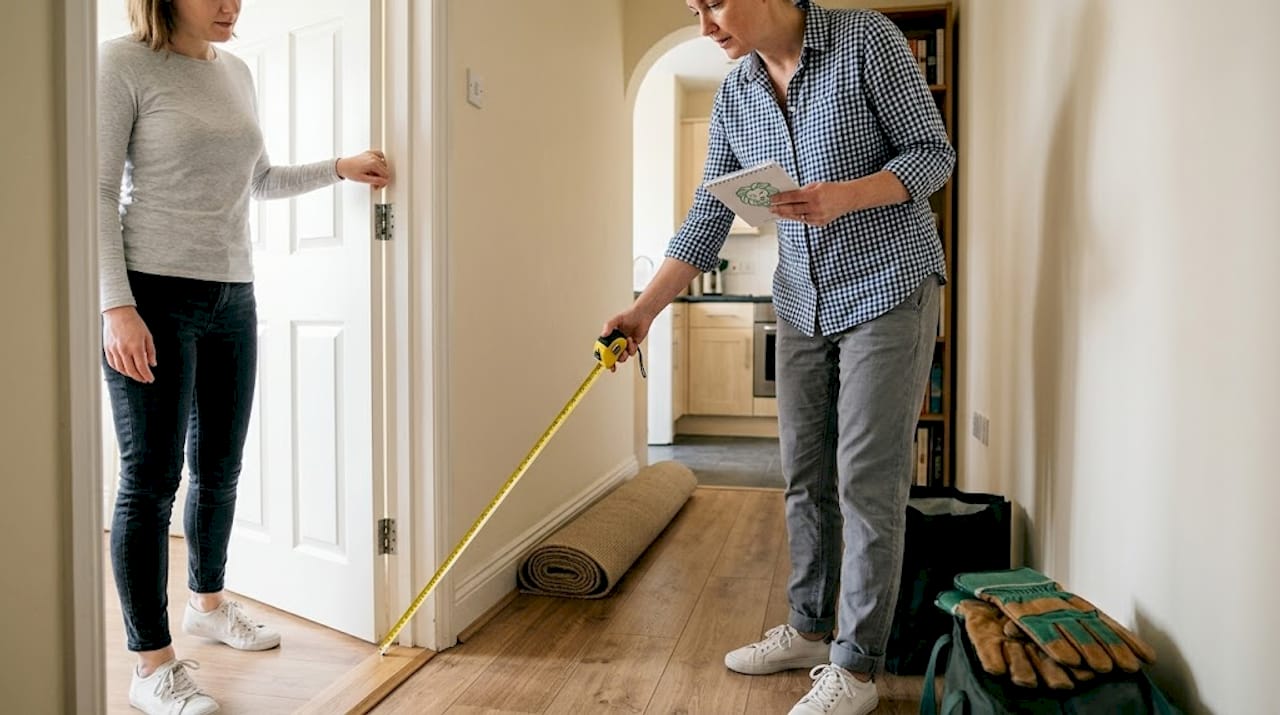
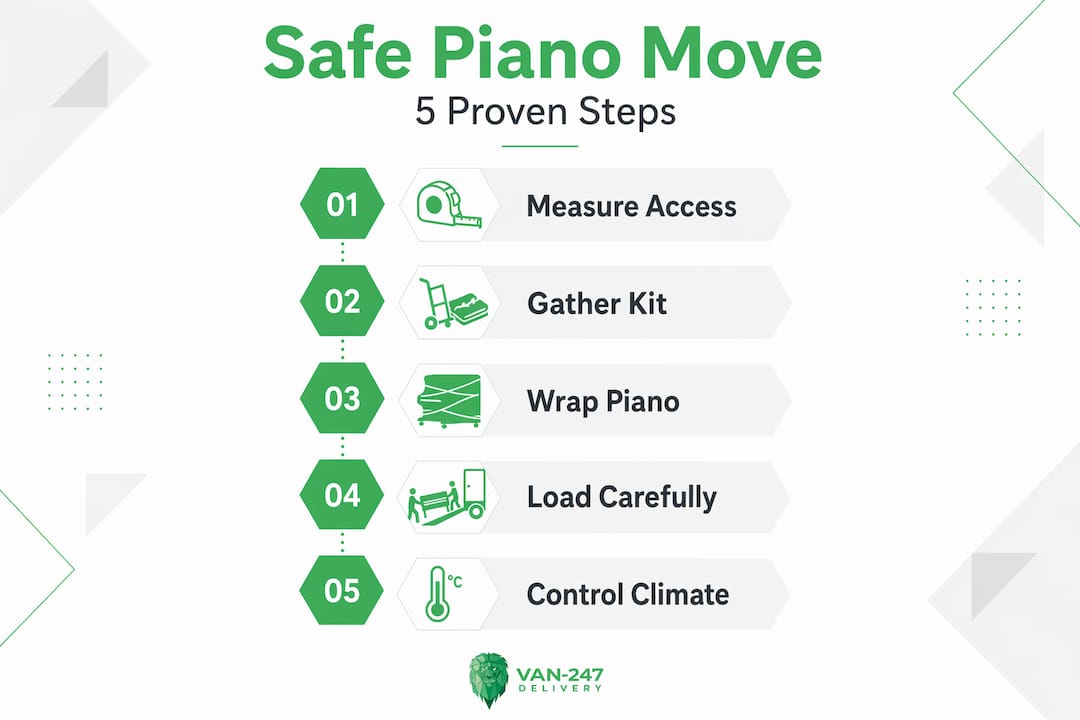
Beyond the materials, you need to think about your route before moving day. Measure every doorway, hallway, and staircase the piano will travel through. A standard upright piano is around 150cm tall and 55cm deep, so tight corners are a genuine concern. Check whether any doors need to be temporarily removed from their hinges. Plan this in advance, not in the moment.
Humidity is another factor that catches people off guard. High humidity causes warping and sticky keys, while very dry conditions can crack wood and affect the soundboard. The ideal range is 40 to 50% relative humidity. If you’re moving during winter or in wet weather, a moisture barrier layer over the padded blankets is not optional. It’s a straightforward step that prevents serious structural damage.
Pro Tip: Check the weather forecast for your moving day and the days immediately after. Planning around a period of weather stability significantly reduces the risk of humidity-related damage, according to experienced piano movers.
You’ll also want to think about the vehicle itself. Temperature inside vehicles can reach 79°C in just 15 minutes on a warm day. The ideal transport temperature for a piano is 20 to 22°C with humidity around 45 to 50%. If you’re moving in summer, a climate-controlled van is worth every penny.
Wrapping, securing, and loading your piano safely
Once your materials are ready and your route is planned, here’s how to wrap and load the piano correctly. Follow these steps in order.
- Close and secure the keyboard lid. Do not remove it. Removing the keyboard lid exposes fragile mechanics to dust, impact, and warping risk. Leave it closed and, if it has a lock, use it.
- Remove and wrap the piano legs separately (for grand pianos). Wrap each leg individually in bubble wrap and secure with packing tape. Place them flat in the vehicle, not leaning.
- Wrap the entire piano body in furniture blankets. Start at the top and work your way down, overlapping layers so there are no exposed surfaces. Pay extra attention to corners, which are the most vulnerable points during transit.
- Add a moisture barrier layer. Once the blankets are in place, wrap the whole instrument in plastic sheeting or a purpose-made piano cover. Padding should be secured with ratchet straps and the piano wrapped to avoid moisture build-up between the blankets and the cabinet.
- Position the piano on the dolly carefully. For upright pianos, keep them upright at all times. Grand pianos should be moved on their side on a skid board once the legs are removed. Never lay an upright piano flat.
- Use the longest ramp available when loading. Steep inclines cause the piano to shift and can tip it unexpectedly. A gentle ramp angle keeps everything controlled.
- Position the piano against the vehicle wall and use ratchet straps to fix it in place. The piano should not be able to move at all during the journey. Place additional padding or blankets between the piano and the vehicle wall to absorb road vibration.
- Drive smoothly. Avoid sharp braking, fast cornering, and rough roads where possible. The loading and securing work is only as good as the driving.
Pro Tip: For grand pianos, always work with at least three people during the loading stage. Two to guide and support the instrument, and one to manage the ramp and watch for hazards.
For reference, professional disassembly and reassembly costs £65 to £80, and specialist crating can add significantly more. If you’re not confident handling a grand piano’s legs or the full wrapping process, hiring help for just that stage is a sensible option. You can also review common piano moving costs before deciding how much to take on yourself.
Common mistakes that put your piano at risk part off how to protect piano in transit
Even well-intentioned movers make avoidable mistakes. Here are the ones that cause the most damage, and what to do instead.
- Removing the keyboard lid unnecessarily. This is one of the most common errors. The lid isn’t just aesthetic; it’s a structural protector. Leave it on.
- Ignoring humidity control. People focus on physical padding and forget that moisture is just as dangerous. A piano exposed to fluctuating humidity during transit can develop warped soundboards and sticky or unresponsive keys. These repairs are costly.
- Using too little padding. A single blanket is not enough. You need multiple thick layers, especially around corners and the pedal assembly.
- Not securing the piano in the vehicle. A piano that shifts during transit will sustain damage even if it’s well wrapped. Ratchet straps are non-negotiable.
- Attempting a solo DIY move. It’s worth being direct here: DIY moves carry significant risk of injury and instrument damage, and homeowner insurance policies typically don’t cover piano damage caused during self-managed moves. Professional movers carry cargo and liability insurance that protects you properly.
“The biggest mistake I see is people underestimating the weight and the complexity. A standard upright piano weighs between 200 and 270kg. That’s not a two-person job, and it’s certainly not a job for the unprepared.”
Navigating stairs and tight spaces deserves its own mention. Stairs increase the physical risk considerably. If your piano needs to go up or down a staircase, you’ll want to review common transport mistakes that occur specifically in these situations. Proper technique involves controlled, incremental movement with clear communication between everyone involved.
After the move: checking and caring for your piano
Getting the piano to its destination safely is only part of the job. What you do in the days that follow matters just as much for the instrument’s long-term health.
- Let it acclimate before you play or tune it. Immediate tuning can stress internal components; waiting several days allows the wood and strings to settle into the new environment’s temperature and humidity levels.
- Place it away from radiators, windows, and exterior walls. Temperature and humidity fluctuations from these sources cause ongoing damage over time, even after a successful move.
- Use a hygrometer to monitor the humidity in the room where the piano lives. Aim for 45 to 50% relative humidity year-round. A simple room humidifier or dehumidifier can maintain this easily.
- Book a professional tuning once the piano has acclimated. Budget roughly £100 to £300 for post-move tuning, and don’t skip it. Even a well-protected piano will need attention after transit.
- Check for visible signs of damage. Look at the cabinet for scratches or dents, press every key to check for sticking, and listen for any unusual buzzing or rattling when you play.
On the subject of insurance: standard piano moving insurance covers up to approximately $5,000, with additional coverage costing around $15 per $1,000 of instrument value. If you own a valuable instrument, speak to your mover about extended coverage before the move takes place, not after. Understanding what specialist piano carriers provide in terms of insurance and handling standards will help you make an informed decision.
My honest take on moving a piano
I’ve seen what happens when people treat a piano like a piece of flat-pack furniture. The physical weight fools people into thinking that if they can shift it, they can move it safely. That’s not how it works.
In my experience, the two things that separate a successful piano move from a costly disaster are patience and honest self-assessment. Patience means not rushing the wrapping, the loading, or the route planning. Honest self-assessment means asking yourself whether you genuinely have the equipment, the vehicle, and the people to do this properly.
What I’ve found over the years is that people tend to underestimate the preparation time. Wrapping a grand piano correctly, including removing and individually wrapping the legs, takes 45 minutes to an hour when done properly. That’s before you’ve moved a single metre.
The other thing I’d say is this: good freight packaging principles apply here too. Layer your protection, account for movement and vibration, and don’t leave gaps where impact can occur. Pianos are remarkably robust instruments in normal use, but they become surprisingly vulnerable the moment they leave the ground.
If you’re in any doubt about any stage of the move, get a professional involved. The cost of a specialist mover is almost always less than the cost of repairing or retuning a damaged instrument, let alone replacing it.
— Claudiu
Move your piano safely with Van-247delivery good guide about how to protect piano in transit
Planning a piano move and want to take the worry out of it entirely? Van-247delivery has been handling delicate, heavy, and specialist items across the UK for over 15 years. The team uses professional padding, ratchet strapping, and climate-conscious vehicles to keep your instrument safe from the moment it leaves your home to the moment it arrives.

Whether you’re looking for a full house removals service that covers your entire move including the piano, or a flexible man with a van booking for the instrument alone, Van-247delivery offers transparent pricing, insured transport, and crews who know exactly how to handle a piano. Get an instant quote today and move with confidence.
Frequently Asked Questions
What materials do I need to protect a piano in transit?
You’ll need thick furniture blankets, bubble wrap for legs and corners, a moisture barrier, a piano dolly, and ratchet straps to secure the instrument in the vehicle.
Should I remove the keyboard lid before moving a piano?
No. Removing the keyboard lid exposes delicate internal mechanics to impact and dust damage. Leave it closed and locked if possible.
How do I control humidity when transporting a piano?
Wrap the piano in a moisture barrier after padding it, and use a climate-controlled vehicle where possible. The ideal transport humidity is 45 to 50%.
How soon after moving can I tune my piano?
Wait at least a few days after the move before tuning. Allowing the piano to acclimate to its new environment prevents stress on the strings and internal components.
Is professional piano moving insurance worth it?
Yes. Standard homeowner policies do not typically cover instrument damage during self-managed moves. Professional movers carry cargo insurance, and extended coverage is available for high-value instruments.