Moving home is one of the most significant things you will do, yet the term “domestic removal” still confuses a surprising number of people. It is not the same as a house clearance, and it involves far more than a man turning up with a van.
A domestic removal is the professional process of relocating your household belongings from one UK address to another, safely, efficiently, and with the right level of support for your situation. This guide explains what the process involves, what different service tiers look like, how much you should expect to pay, and how to plan a domestic move so nothing gets left to chance.
Table of Contents
- Key takeaways
- What domestic removal involves
- Choosing the right type of removal service
- How to plan a domestic move
- The cost of domestic removals in the UK
- Common challenges and how to handle them
- My honest take on domestic removals
- Move with confidence with Van-247delivery
- FAQ
Key takeaways
| Point | Details |
|---|---|
| Domestic removal defined | It covers packing, loading, transporting, and unloading household goods between UK addresses. |
| Service tiers vary widely | Options range from basic van hire to full-service removals including packing and furniture reassembly. |
| Costs depend on many factors | Local moves typically cost £800 to £3,500; complex or long-distance moves can exceed £5,000. |
| BAR membership matters | Choosing a BAR-registered remover gives you vetted standards, insurance, and dispute resolution access. |
| Planning early saves money | Decluttering before you book and avoiding peak summer months can reduce your overall cost significantly. |
What domestic removal involves
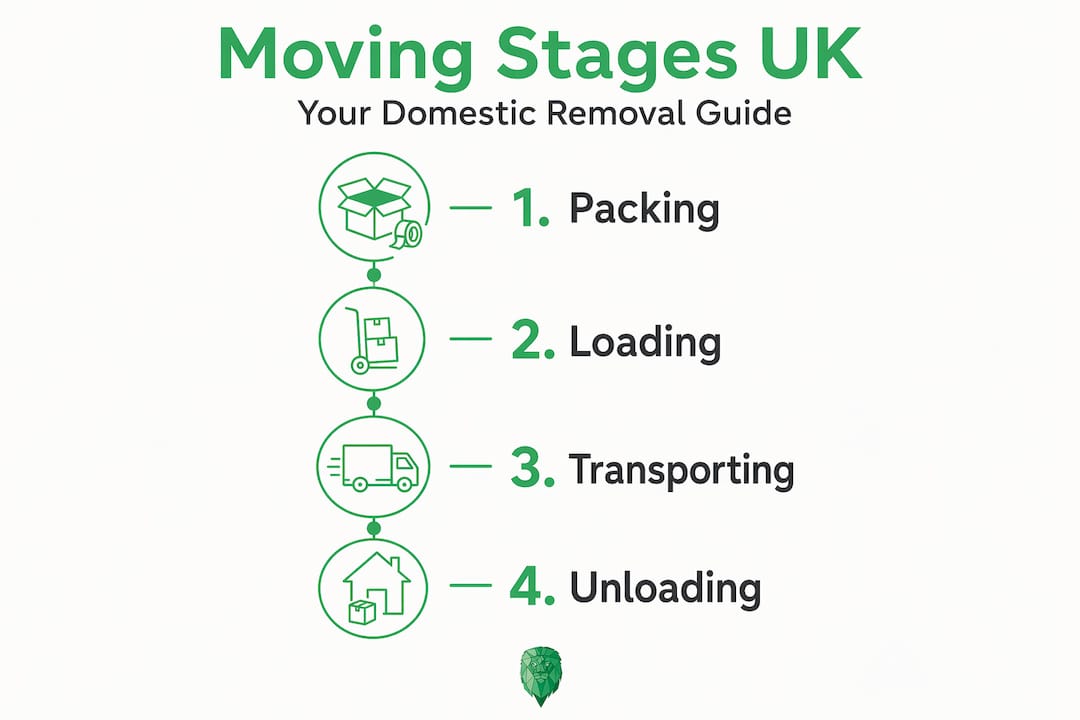
At its core, a domestic removal covers four stages: packing, loading, transporting, and unloading. But the depth of support you receive within those four stages depends entirely on which service tier you choose.
A basic service means the removal crew loads your pre-packed boxes and furniture, drives them to your new address, and unloads everything. A full-service removal goes much further. Full-service removals include a pre-move survey, professional packing and unpacking, furniture reassembly, and removal of all packing materials for recycling or disposal. That extra layer typically saves you one to two days of effort and a great deal of stress.
The pre-move survey is worth understanding in detail. Before a reputable company books your move, a surveyor will assess the volume of your belongings, access points at both properties, and any specialist items. This is how they produce an accurate quote and avoid surprises on the day.
Here is what the domestic relocation process typically includes across service levels:
- Basic removal: Loading, transport, and unloading of pre-packed goods
- Part-packing service: The crew packs fragile or complex items; you pack everything else
- Full packing service: Professional packing for a three-bedroom home typically takes 6 to 8 hours using reinforced boxes, bubble wrap, and specialist containers for clothes, mirrors, and mattresses
- Storage solutions: Short or long-term storage between moves, held in secure facilities
- Specialist handling: Pianos, antiques, artwork, and other items requiring extra care and equipment
- Dismantling and reassembly: Flat-pack furniture, beds, and wardrobes taken apart at origin and rebuilt at destination
One area that surprises many people is insurance. Standard liability with unverified providers can be minimal. BAR membership ensures the company follows a strict code of practice and holds insurance meeting industry requirements, which gives you a meaningful safety net if something goes wrong.
Pro Tip: Always ask for a written schedule of works before the move date. This document confirms exactly what is and is not included, so there are no misunderstandings about who packs the loft or dismantles the wardrobe.

Choosing the right type of removal service
Understanding your options is the single most useful thing you can do before you spend a penny. The domestic moving services market in the UK ranges from solo van drivers to large specialist companies, and the right choice depends on your budget, your property size, and how much you want to handle yourself.
| Service type | Best for | Pros | Cons |
|---|---|---|---|
| DIY van hire | Small moves, tight budgets | Lowest cost | Physical effort, no insurance, no crew |
| Man and van | Studio flats, single rooms | Flexible, affordable | Limited capacity, variable quality |
| Standard removal company | Two to three-bedroom homes | Professional crew, transit insurance | Higher cost than man and van |
| Full-service removal | Families, large homes, fragile goods | Packing, reassembly, stress-free | Premium pricing |
The crew size scales with property complexity. You can expect two people for a small flat and four or more for a larger or particularly complex move. Experienced teams also arrive with floor and doorway coverings to protect both properties, which matters far more than most people realise until they see carpet being dragged over a stone doorstep.
When choosing a provider, keep these points in mind:
- Check whether the company is a BAR member or holds equivalent professional accreditation
- Read recent reviews on independent platforms, not just the company’s own website
- Get a minimum of three written quotes to understand the market rate for your specific move
- Confirm what happens if the move runs over time or requires additional vehicles
- Ask about their process for handling damaged or lost items
Pro Tip: Avoid companies that only provide quotes over the phone without seeing your belongings first. A video survey is acceptable; a quote based purely on a bedroom count is not.
How to plan a domestic move
Moving day is a marathon, not a sprint. The moves that go smoothly are almost always the ones that started with a solid plan six to eight weeks in advance. Here is a step-by-step process to follow:
- Declutter early. Removing unwanted items before you book reduces volume, lowers your quote, and makes unpacking at the other end far more satisfying. Sell, donate, or dispose of anything you would not deliberately choose to take to your new home.
- Book surveys and get quotes. Contact three or more removal companies roughly six weeks before your intended move date. Confirm whether a surveyor will visit in person or via video call.
- Confirm your move date and service level. Once your exchange date is confirmed, lock in your removal booking immediately. Good companies fill up quickly, particularly in summer.
- Start packing non-essentials. Books, seasonal clothing, and decorative items can be packed weeks in advance. Use your packing checklist to track progress and label every box with its destination room.
- Prepare a moving day essentials bag. Keep kettle, mugs, phone charger, medications, important documents, and a change of clothes in a bag that travels with you, not in the removal van.
- Coordinate access at both addresses. Confirm parking arrangements, key collection times, and any entry restrictions with your estate agent or solicitor the day before.
- Do a final walkthrough before the van leaves. Check lofts, garden sheds, garages, and every room. This is the step most people wish they had not skipped.
For families, managing children and pets on moving day deserves its own plan entirely. The tips for moving with children can make a noticeably calmer day for the whole family.
Pro Tip: Take meter readings at both properties on moving day and photograph them. This protects you against disputed utility bills later.
The cost of domestic removals in the UK
The cost of domestic removals is one of the most searched topics for anyone planning a house move, and for good reason. Prices vary more than most people expect. UK local house removals typically range from £800 to £3,500, while long-distance or complex moves can exceed £5,000. Full professional packing adds a further £300 to £1,500 on top of the base removal cost.
Pricing structures vary by company. Hourly rates for a two-person team typically fall between £50 and £80 per hour, with most local removals taking 6 to 10 hours. Larger or more complex moves are often quoted on a fixed project basis, which gives you more certainty over the final figure.
Here is a breakdown of factors that affect your quote:
- Property size and volume: More rooms mean more time and a larger vehicle
- Distance: A 10-mile move and a 200-mile move are entirely different propositions
- Specialist items: Pianos, pool tables, and large artwork require additional equipment and expertise
- Access constraints: Narrow staircases, no parking, or high-floor flats all add complexity
- Service level: Packing, storage, and furniture reassembly each carry additional fees
- Timing: Summer months from May to August are peak season; moving in this window costs up to 20% more than off-peak. Mid-week moves are typically cheaper than Fridays or Saturdays.
To get accurate quotes, always request a written breakdown that separates the base removal fee from add-on services. A quote that bundles everything into one figure makes it very hard to understand what you are actually paying for.
Common challenges and how to handle them
Even the best-planned moves hit obstacles. Knowing what to expect puts you in a much stronger position to deal with anything that comes up.
- Access issues: Narrow staircases, listed buildings, and awkward parking spots create genuine logistical problems. Discuss these in detail during your pre-move survey so the crew arrives with the right equipment and enough time.
- Fragile and valuable items: Communicate clearly which items need special handling. Do not assume the crew knows which boxes contain your grandmother’s China versus your old textbooks.
- Timing delays: Completion delays on moving day are more common than people expect. Build buffer time into your schedule and have a plan for where the van can wait if you cannot access your new property at the agreed time.
- Weather: British weather is unpredictable. Confirm whether your removal company has a policy for extreme weather and whether it affects their liability for any items damaged by rain during loading or unloading.
- If something goes wrong: Document any damage with photographs immediately. If you used a BAR member company, you have access to a formal dispute resolution process. Keep all paperwork related to your booking and any correspondence with the company.
Pro Tip: On moving day, assign one person as the dedicated contact for the removal team. Trying to manage the crew, the estate agent, and your children simultaneously is a recipe for missed instructions.
My honest take on domestic removals
I have seen more house moves go sideways than I care to count, and almost every avoidable disaster had one thing in common: someone chose a provider based on price alone. I understand the appeal. Moving is expensive and every saving feels significant. But what I have learned is that the companies most likely to damage your belongings, fail to show up, or disappear with a deposit are almost always the cheapest ones you found at the bottom of a search results page.
The thing I genuinely believe makes the biggest difference is understanding exactly what you are buying before you commit. Not just the price, but the scope. Ask what happens if the move overruns. Ask who is responsible if a wardrobe is damaged. Ask whether their drivers are employees or subcontractors. The answers tell you far more than the quote itself.
BAR membership is not a marketing badge. In my experience, it represents a meaningful baseline of accountability that unverified companies simply do not have. The consumer protections through BAR membership exist because moves do go wrong, and you want somewhere to turn when they do.
For first-time movers, my strongest recommendation is this: use a moving company tips guide before you even start comparing quotes. The preparation you do in the first two weeks saves you time, money, and a significant amount of stress in the final 48 hours.
— Claudiu
Move with confidence with Van-247delivery
If you are now clear on what domestic removal involves and want a trusted team behind you, Van-247delivery is ready to help. With over 15 years of experience across the UK, Van-247delivery offers professional house removals tailored to your budget and timeline, whether you are moving a studio flat or a five-bedroom family home.
For smaller or more flexible moves, their man and van service offers a cost-effective alternative without compromising on professionalism or care. You can get an instant quote online, with insured transport and clear pricing. No surprises, no stress. Just a straightforward move handled by people who do this every day.
Frequently asked questions
What is domestic removal in the UK?
Domestic removal is the professional process of moving household belongings from one UK address to another. It typically includes loading, transporting, and unloading, with optional services such as packing, storage, and furniture reassembly.
How much does a domestic removal cost in 2026?
Local house removals in the UK typically cost between £800 and £3,500. Long-distance or complex moves can exceed £5,000, with professional packing adding a further £300 to £1,500.
How do I choose a reliable removal company?
Look for companies that are members of the British Association of Removers (BAR), get at least three written quotes, and avoid any provider that quotes without surveying your belongings first, in person or via video call.
What is the difference between domestic removal and house clearance?
A domestic removal relocates your belongings to a new address. A house clearance removes and disposes of items from a property, typically when it is being vacated or cleared after a bereavement.
When is the cheapest time to book a domestic removal?
Avoid the peak summer season from May to August, when prices can be up to 20% higher. Mid-week moves are generally cheaper than weekend dates, and booking well in advance secures better availability and rates.