Tips for safe moving. Safe moving is defined as the practice of relocating your belongings and household without injury to people or damage to property. Most moving injuries happen not during transport, but during the lift, carry, and pack stages at home.
The tips for safe moving in this guide cover everything from clearing your hallway to protecting your most fragile items, giving you a clear, step-by-step plan for a stress-free relocation. Whether you are moving a studio flat or a four-bedroom family home, the same core principles apply.
1. Tips for safe moving: prepare your space first
The single most effective thing you can do before lifting a single box is to clear every path you will use. That means hallways, staircases, doorways, and the route from your front door to the removal vehicle.
Walk through your home and remove:
- Loose rugs and door mats that can slip underfoot
- Extension leads and cables crossing walkways
- Children’s toys, pet bowls, and shoes left on the floor
- Any furniture that narrows a corridor below shoulder width
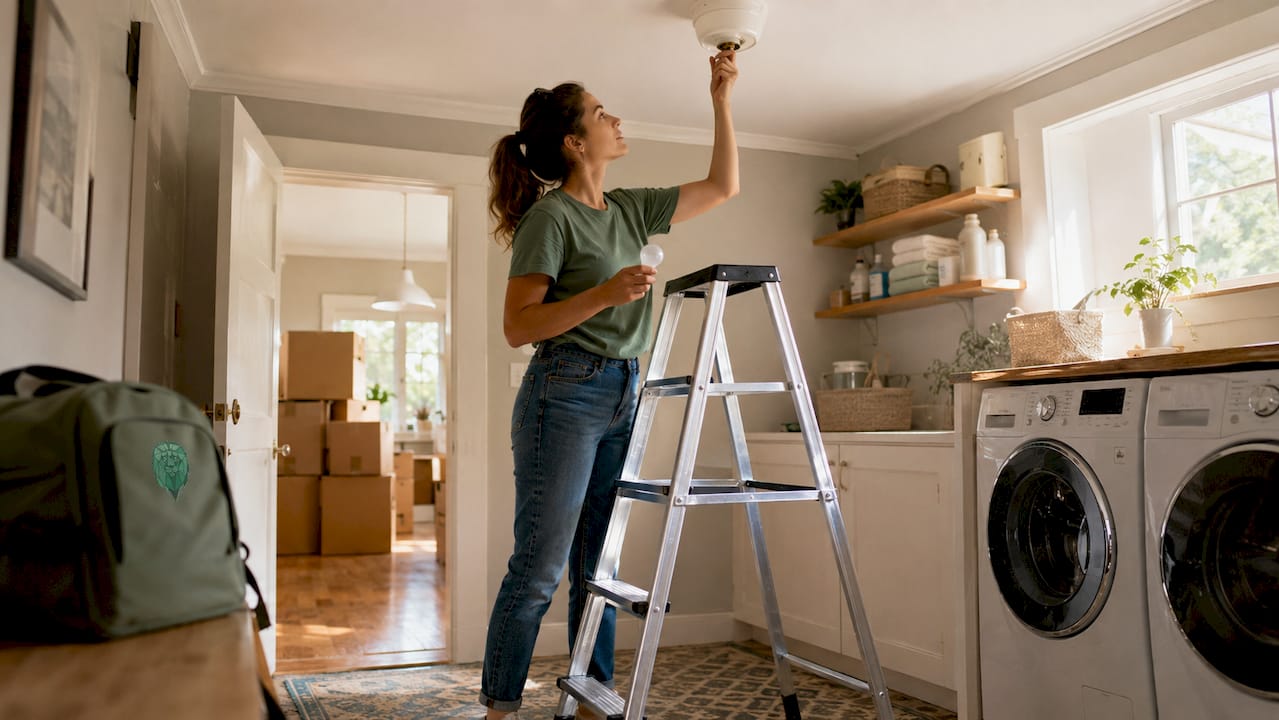
Good lighting matters just as much as a clear floor. Replace any blown bulbs before moving day and prop doors open so you are never pushing through a door with a heavy box in your arms. If you are moving in winter, check for ice on steps and paths outside.
Pro Tip: Re-check your pathways every hour as moving progresses. Boxes get put down in doorways, packing materials pile up, and paths that were clear at 9AM can become trip hazards by midday.
2. Safe packing techniques that protect your belongings
Poor packing technique is the biggest risk to your belongings, not the move or transport itself. Getting this stage right saves you money and prevents a lot of frustration on arrival.
Follow these packing rules:
- Keep box weight under 40 pounds. Items over 50 lbs need a team lift. Boxes that are too heavy strain your back and are more likely to be dropped.
- Spread heavy items across multiple small boxes. Books, tools, and crockery should never fill one large box.
- Fill every gap. If an item moves inside a box, it will break. Use scrunched newspaper, bubble wrap, or folded towels to fill empty space.
- Test your boxes. Flimsy cardboard causes accidents. Press the base flat and check the top sits level before sealing.
- Label every box clearly. Write the contents and the destination room on at least two sides.
| Packing rule | Why it matters |
|---|---|
| Boxes under 40 lbs | Reduces back strain and drop risk |
| Fill empty space | Prevents items shifting and breaking |
| Test box integrity | Avoids collapse when stacking |
| Label all sides | Speeds up unpacking and reduces re-lifting |
Pro Tip: Pack a dedicated day-one essentials box and load it last so it comes off the van first. Include toiletries, linens, and basic tools so you are not hunting through stacks of boxes on your first night.
3. Lifting techniques that prevent injury
Correct lifting technique is the most reliable way to avoid moving injuries. The method is simple: bend at the knees, keep your back straight, and use your legs and glutes to drive the lift.
Here is the full technique broken down:
- Stand with your feet shoulder-width apart before you pick anything up
- Squat down to the item rather than bending at the waist
- Keep the load close to your body throughout the entire lift and carry
- Engage your core muscles as you rise
- Never twist your torso while carrying. Turn your whole body by moving your feet
For team lifts, communication is everything. A verbal cueing system such as “ready, lift” on a count of three prevents dropped items and misaligned movements. Designate one person to call the cues every time. For guidance on moving large items safely, the approach is the same but requires more planning around corners and staircases.
Pro Tip: Wear closed-toe shoes with grip soles on moving day. Flip-flops and socks on hard floors are two of the most common causes of moving day slips.
4. Using the right equipment
Moving straps, dollies, and furniture sliders reduce strain significantly, but they do not replace professional help when an item is genuinely too heavy or awkward. Use equipment as your first line of defence, not your only one.
The most useful tools for a home move are:
- Furniture sliders: Place under sofa legs or wardrobe feet to glide items across hard floors without lifting
- Sack truck or hand truck: Ideal for stacked boxes and appliances. Tilt the load back and let the wheels do the work
- Moving straps: Distribute weight across your shoulders and forearms rather than your lower back
- Furniture blankets: Protect surfaces and reduce the risk of items snagging on door frames
Heavy boxes should be small enough to carry comfortably twice over. If you cannot manage a comfortable test lift, the box is too heavy. Split the contents before you strain yourself. For detailed advice on handling bulky pieces, read these expert furniture moving tips before you start.
5. Managing fatigue and stress on moving day
Moving day is a marathon, not a sprint. Fatigue is one of the leading causes of moving injuries because tired muscles make poor decisions.
Take a 15-minute break every 45 minutes of physical work. That rhythm keeps your energy consistent and reduces the risk of dehydration. Drink water regularly, not just when you feel thirsty.
Practical fatigue management looks like this:
- Stretch your hamstrings, lower back, and shoulders before you start. Stretching before moving day prepares muscles and reduces soreness throughout the day
- Plan your heaviest lifts for the morning when you are freshest
- Eat a proper meal before you begin, not just a coffee
- Rest in a cool or shaded area during breaks, especially in summer
Ignoring your physical limits is a common cause of moving injuries. Knowing when to stop and call for help is not a weakness. It is the most sensible decision you can make.
Pro Tip: Assign a non-lifting role to one person on your team. Someone who directs traffic, keeps pathways clear, and manages the van loading plan saves everyone else from making tired, rushed decisions.
6. Protecting valuables and fragile items
Fragile items need individual attention, not just a “fragile” sticker on the box. The packing method matters far more than the label.
Follow these steps for your most delicate belongings:
- Wrap each fragile item individually in bubble wrap or several layers of packing paper before placing it in a box
- Never stack heavy boxes on top of boxes containing fragile items
- Mark fragile boxes on all four sides and the top, not just one face
- Keep passports, jewellery, medication, and irreplaceable documents with you in a bag. Do not load them onto the van
- For lamps, stemware, and other tricky items, professional packing consultants can advise even for small moves
Professional advice is valuable regardless of move size when it comes to delicate or awkward items. Van-247delivery offers optional professional packing services for exactly this reason. You can also explore professional packing services to understand what is covered before you book.
Pro Tip: Take photos of your electronics setup before you unplug anything. You will thank yourself when you are reconnecting the TV and router at the other end.
Key takeaways
Safe moving requires correct packing, proper lifting technique, and realistic planning to prevent injuries and protect belongings throughout the entire relocation process.
| Point | Details |
|---|---|
| Keep boxes under 40 lbs | Lighter boxes reduce back strain and are far less likely to be dropped. |
| Fill every gap when packing | Empty space inside boxes causes items to shift and break during transport. |
| Lift with your legs, not your back | Bend at the knees with a straight back and keep the load close to your body. |
| Take regular breaks | A 15-minute rest every 45 minutes prevents fatigue-related injuries. |
| Keep valuables with you | Passports, jewellery, and documents should travel with you, not on the van. |
What I have learned from watching people move
Most moving injuries I have seen happen in the last two hours of the day, not the first. Everyone starts out careful. They bend their knees, they ask for help, they check the path. By mid-afternoon, when the adrenaline has worn off and the end is in sight, people start rushing. That is when backs go and boxes get dropped.
The other thing that catches people out is overconfidence with packing. Families spend weeks planning the logistics of the move itself, then pack everything in a frantic 48 hours before the van arrives. Rushed packing means overloaded boxes, inadequate padding, and fragile items wrapped in a single sheet of newspaper. The move goes fine. The unpacking reveals the damage.
My honest advice is to start decluttering and packing at least three weeks before your move date. Pack one room at a time, label as you go, and resist the urge to cram. If you are unsure about a heavy piece of furniture or a particularly awkward item, read up on why hiring professional movers makes sense before you decide to go it alone. The cost of a professional is almost always less than the cost of a back injury or a broken antique.
Teamwork and communication are what separate a smooth move from a stressful one. Agree on a plan before the van arrives. Assign roles. Use verbal cues when lifting together. And give yourself permission to stop when you are tired.
— Claudiu
How Van-247delivery supports a safe house removal
Moving safely is much easier when you have experienced professionals handling the heavy work.
Van-247delivery has over 15 years of experience in house removals across the UK, covering everything from studio flats to large family homes. The team handles heavy lifts, awkward furniture, and fragile items with the right equipment and training, so you do not have to put your back at risk. Optional professional packing services are available for delicate or tricky items, giving you complete peace of mind before the van even arrives. Get an instant quote today and let Van-247delivery take the physical strain out of your next move.
FAQ
What is the maximum safe weight for a moving box?
Experts recommend keeping individual box weight under 40 pounds to reduce back strain and the risk of dropping. Any item over 50 pounds should be treated as a team lift.
How do I stop fragile items breaking during a move?
Wrap each item individually in bubble wrap or packing paper and fill all empty space in the box. If an item moves inside a box, it is likely to break.
How often should I take breaks when moving?
Take a 15-minute break every 45 minutes of physical work. This reduces fatigue and dehydration, which are two of the main contributors to moving day injuries.
Should I hire professional movers for a small move?
Professional advice is valuable regardless of move size, particularly for fragile, heavy, or awkward items. Van-247delivery offers flexible man and van services suited to smaller moves.
What should I keep with me rather than loading onto the van?
Keep passports, jewellery, medication, and important documents in a bag that travels with you. These items are irreplaceable and should never go on the removal vehicle.