Goods in transit vs liability: goods in transit insurance pays to repair or replace the cargo you are carrying if it is lost, stolen or damaged. Public liability pays out when your work causes injury to someone else or damage to their property. Many courier contracts require you to hold goods in transit cover, and your trading conditions (often the RHA Conditions of Carriage) set the cap on what you owe if something goes wrong; for guidance on insurance needs in courier operations, see A Guide to Insurance for Couriers in Australia. If you carry goods for other people, check your contract today and make sure you have the right cover before your next job.
TL;DR:
- Goods in transit insurance covers loss or damage to cargo, while public liability covers injuries or property damage to third parties.
- Most UK haulage contracts limit liability based on weight rather than the full value of goods, requiring specific declarations for high-value consignments.
- Public liability rarely covers damaged cargo, so carriers must ensure they have appropriate goods in transit policies for client property.
- GIT insurance typically extends to loading, unloading, and short-term storage, with coverage limits based on the value of the highest single shipment.
- Using multiple policies without proper coordination creates gaps; confirming insurance coverage at each handover point prevents costly disputes.
Table of Contents
- Which cover responds, and who it protects
- What goods in transit insurance is and how it works in the UK
- What public liability insurance covers and what it does not
- Liability limits, RHA conditions and trading conditions that change who pays
- How claims, contracts and different insurance types interact
- Practical buying checklist and cost drivers for couriers and hauliers
- How Van-247delivery arranges insured transport
- The mistake that costs couriers the most
- Book insured transport with Van-247delivery
- FAQ
- Sources
- Authoritative UK documents and insurer guidance
Which cover responds, and who it protects, part of goods in transit vs liability
Goods in transit (GIT) insurance protects the goods themselves. If a pallet falls off the van, or a parcel goes missing between pickup and drop-off, GIT is the policy that pays for the loss. It protects whoever has financial responsibility for the cargo, which might be you as the carrier, or the goods’ owner, depending on how your contract is written.
Public liability (PL) protects people and property outside the vehicle. It responds when your work causes harm to someone who is not your employee, or damages something that belongs to someone else who is not the goods owner.
Here is how the triggers usually split:
- Theft from the van overnight: a GIT claim, because the cargo itself is the loss.
- A collision that crushes the load you are carrying: a GIT claim for the cargo, and potentially a separate motor claim for the vehicle.
- A customer trips over a box you left on their doorstep: a PL claim, because a third party was injured.
- You scratch a client’s wooden floor while carrying furniture inside: a PL claim for the property damage.
The overlaps cause most of the confusion. A single job can touch marine cargo cover, inland goods in transit cover and your own carrier’s liability, all in sequence. Insurer guidance confirms that GIT insures the goods themselves while public liability covers compensation claims from third parties, and the two rarely substitute for each other. Skipping one because you hold the other is the most common way couriers end up paying out of pocket.
What goods in transit insurance is and how it works in the UK, part of goods in transit vs liability
GIT comes in two main shapes. Goods-owner cover (first-party) protects the person who owns the goods, regardless of who is driving. Carrier’s liability cover protects the haulier, but only pays when the carrier is legally at fault, typically through negligence, as set out in Gov. If you are a self-employed courier moving someone else’s belongings, you usually need your own GIT policy rather than relying on the client’s.
Cover typically extends to:
- Loading and unloading, not just the road miles in between.
- Short-term storage, such as an overnight stop between legs of a journey.
- Theft, whether from the vehicle or a secure yard.
- Accidental damage, from a dropped box to a shifted load.
Specialist GIT policies can run from modest limits up to substantial amounts per vehicle or across a small fleet, and some cover consequential losses such as the cost of a failed delivery, not just the goods’ value, according to the same GOV.UK guidance.
Pro Tip: Match your GIT limit to your highest single consignment value, not your average one; one high-value job can wipe out an undersized policy.
What public liability insurance covers and what it does not, part of goods in transit vs liability
Public liability protects you when your work injures a member of the public or damages property that is not the cargo you are paid to carry. It is standard cover for anyone who deals with customers in person, and business guidance from GOV.UK notes that liability cover is advisable for most freight and delivery businesses alongside other relevant policies.
Typical PL claims include:
- A delivery driver knocking over a customer’s lamp while carrying a sofa through a hallway.
- A member of the public injured by a trolley left on a pavement.
- Scaffolding, fencing or flooring damaged while you are on site.
What PL almost never covers is damage to the goods you are being paid to transport. That gap is the one that catches couriers out most often: if a client’s furniture is damaged in transit, a PL insurer will usually decline the claim and point you towards your goods in transit policy instead.
Liability limits, RHA conditions and trading conditions that change who pays, part of goods in transit vs liability
Most UK hauliers trade under the RHA Conditions of Carriage, which cap liability at a per-tonne gross weight rate rather than the full invoice value of the goods. For a light but valuable consignment, that cap can fall well short of the real loss.
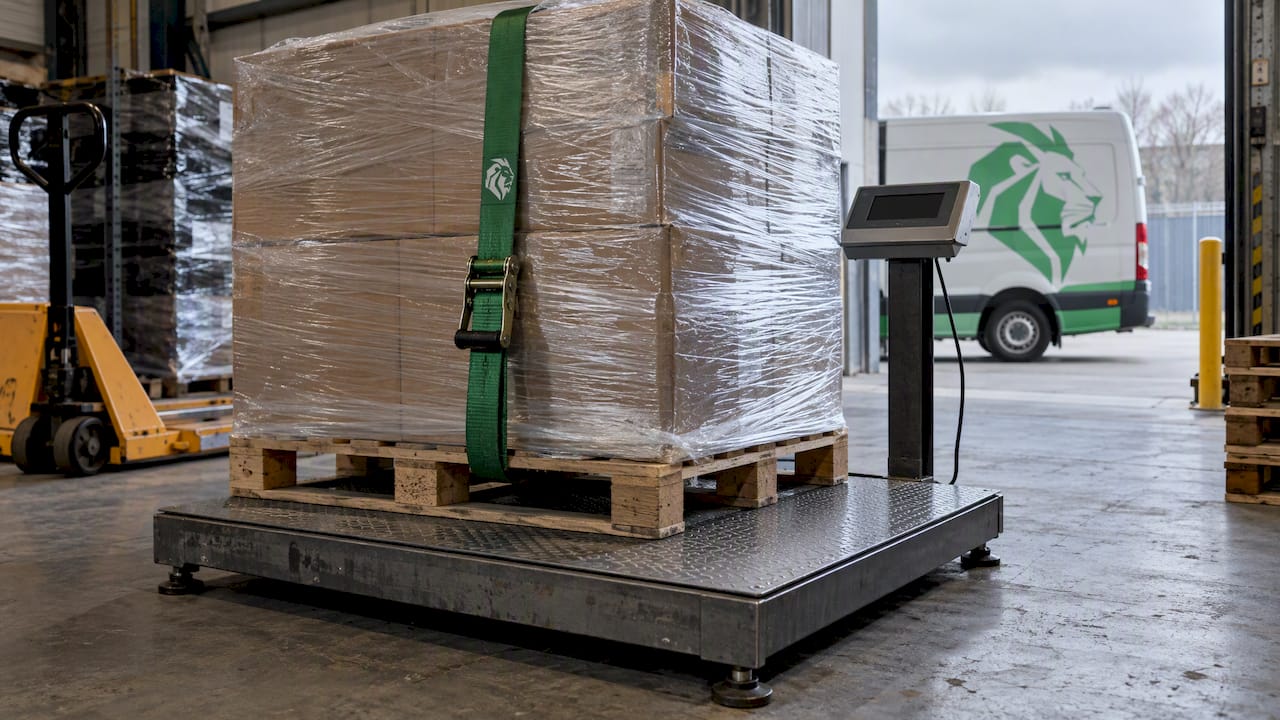
To benefit from that limit, you need to issue your trading conditions in writing before the job starts, ideally with a signature or a digital acknowledgement. Skip that step and you risk being held to unlimited liability instead of the capped figure.
For high-value loads, ask the customer to declare the value upfront and add an endorsement to lift your cover above the standard cap before you collect the goods.
How claims, contracts and different insurance types interact, part of goods in transit vs liability
Gaps between policies tend to appear at handover points, not during the main journey. A shipment that starts on a container ship and finishes on your van may sit under marine cargo cover for one leg and goods in transit cover for the next. Checking that warehouse-to-warehouse wording actually joins the two legs matters more than most carriers realise, a point echoed in cargo industry commentary on where marine and inland cover meet.
Incoterms, which decide who bears the risk of loss between buyer and seller, are a separate question from your contract of carriage, which decides who you can claim against if something goes wrong in transit. Confusing the two is a common and costly mistake.
To close the gaps:
- Confirm whether the customer’s own insurance already covers the goods before you quote the job.
- Add an endorsement for any load above your standard declared value limit.
- Check the territorial limits on your policy before accepting a job that crosses into Northern Ireland or further afield.
Practical buying checklist and cost drivers for couriers and hauliers, part of goods in transit vs liability
Before you call a broker, work out:
- The type and value of goods you carry most often.
- Whether you use subcontractors, and whether their cover matches yours.
- Whether goods ever sit overnight in storage or in the van.
- What security measures you have, such as tracking or locked yards.
- Your typical declared value per job, and your highest one.
Premiums move with the vehicle you drive, your claims history, the routes you cover, any security fittings you have, and the average value of what you carry.
Pro Tip: If your typical consignment value regularly exceeds your policy limit, ask for a bespoke endorsement rather than hoping the standard limit stretches to cover it.
How Van-247delivery arranges insured transport
We offer insured transport across removals, relocations, man and van work, pallet delivery and piano transport, alongside packing, storage and assembly services. When a job involves a high-value item, we discuss declared values with the customer before collection, so the cover matches what is being carried.
Our trading conditions are set out before a job is booked, keeping both sides clear on coverage and procedures if something goes wrong. That upfront conversation is the same principle every courier should follow, whatever size their operation.
The mistake that costs couriers the most
The costliest error we see is couriers assuming public liability will cover damaged cargo. It will not. Our rule of thumb: if you are paid to carry someone else’s goods, carry your own goods in transit cover, or get written confirmation that the client’s insurance already protects the load.
— Claudiu
Book insured transport with Van-247delivery
Carrying someone else’s belongings without matching cover is a risk you do not need to take on. We provide insured transport, instant online quotes and specialist handling for fragile, bulky and high-value items across various removal and delivery services.
Get an instant quote for your house removal or storage needs and book insured transport in minutes.
This article is general information, not a substitute for advice from a qualified financial advisor. Consult a qualified financial professional about your own circumstances before acting on anything here.
FAQ
What is product liability insurance in the UK?
Product liability insurance covers businesses that make, sell or distribute products, protecting against claims if those products cause injury or damage after leaving your hands. Business.gov.uk guidance notes it applies if you manufacture or supply goods, which differs from the liability cover a courier needs for delivery work.
How much is GIT insurance?
Specialist goods in transit cover can run from a few thousand pounds in limit up to £50,000 per vehicle, or £250,000 across a small fleet, according to GOV.UK freight guidance. The right limit depends on the value of what you typically carry, not a fixed industry figure.
Are transit vans expensive to insure?
Van insurance costs depend on the vehicle, your claims history, the routes you drive and the security fittings fitted to the vehicle. There is no single UK figure that applies to every courier, so premiums vary significantly between operators.
What does “goods in transit insurance” mean?
Goods in transit insurance covers loss, theft or accidental damage to cargo while it is being moved, loaded, unloaded or stored temporarily during a journey. It protects the goods themselves, separately from any cover for injury or third-party property damage.
Does Van-247delivery include insurance on bookings?
We provide insured transport across our removals and delivery services, with declared values discussed before collection for higher-value items. Specific cover details are confirmed when you book, since they depend on the job.
Authoritative UK documents and insurer guidance
- Gov
- IPT04640 – Liability of insurance contracts: Goods in foreign or international transit – HMRC internal manual
- RHA Conditions of Carriage 2024
- Goods in transit insurance – Markel UK